
Posted on

What is k-pop?

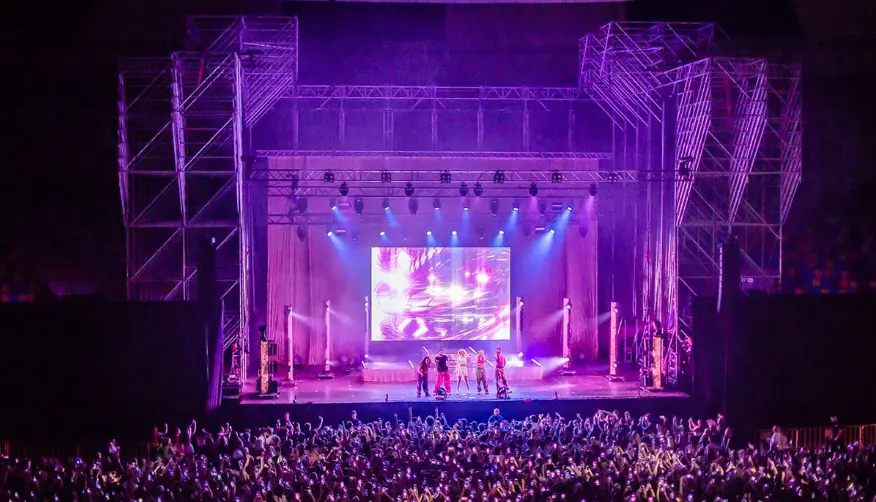
K-pop (short for Korean pop music) is a music genre and entertainment industry originating from South Korea. It combines pop music with elements of hip-hop, R&B, electronic, rock, and dance music, along with highly polished visuals, choreography, fashion, and fan culture.

What makes K-pop distinctive?

Music + performance

K-pop is known for:

  • synchronized dance choreography
  • visually elaborate music videos
  • catchy hooks and polished production
  • multilingual lyrics (mostly Korean, often mixed with English or Japanese)

Idol groups

Many K-pop artists are “idol groups” trained by entertainment companies for years before debuting.

Popular groups include:

  • BTS
  • BLACKPINK
  • TWICE
  • EXO
  • Stray Kids
  • NewJeans

Visual style

K-pop strongly emphasizes:

  • fashion
  • styling
  • storytelling concepts
  • branding
  • fan engagement

Music videos are often cinematic and high-budget.

Fan culture

K-pop fandoms are highly organized and active online:

  • fan chants at concerts
  • streaming campaigns
  • collecting albums and photo cards
  • social media trends

Fans often support artists globally through voting, streaming, and merchandise.

Global popularity

K-pop became globally mainstream during the 2010s thanks to:

  • YouTube
  • TikTok
  • international touring
  • social media

One major breakthrough was Gangnam Style by PSY in 2012.

Industry structure

Most major K-pop artists are managed by entertainment companies such as:

These companies recruit trainees, provide singing/dance training, and develop groups for years before debut.

Posted on

What is popular music?

Popular music (often called pop music) is music created for a wide audience and designed to be easily enjoyed and remembered. It’s typically the kind of music you hear on the radio, streaming charts, or social media.

A few key traits:

  • Catchy melodies – easy to remember and sing along to
  • Simple structure – usually verse–chorus format
  • Broad appeal – meant for many types of listeners, not a niche audience
  • Commercial focus – often produced and marketed to succeed on charts

Popular music isn’t just one style—it includes elements from many genres like pop, rock, hip-hop, dance, and R&B. Artists like Taylor Swift, Drake, or The Beatles are all considered part of popular music because their songs reached large audiences.

Posted on

What is rap?

Rap is a style of music where artists speak or chant rhythmic lyrics over a beat. It’s one of the core elements of hip hop culture, alongside DJing, breakdancing, and graffiti.

At its core, rap focuses on:

  • Rhythm & rhyme – words are delivered in time with the beat, often using complex rhyme patterns
  • Flow – how smoothly and creatively the lyrics fit the rhythm
  • Lyrics – can be about anything: storytelling, personal experiences, social issues, or just having fun

Rap music usually features a beat (made with drums, samples, or electronic sounds), while the rapper provides the vocals.

Some well-known rappers include:

  • Tupac Shakur
  • The Notorious B.I.G.
  • Eminem
  • Kendrick Lamar

Rap started in the 1970s in the Bronx, New York, and has grown into a global genre with many styles (like trap, drill, and conscious rap).

Posted on

What is rock & pop?

Rock-pop (often written as pop rock) is a music style that blends elements of rock music with pop music. It sits right between the two—keeping the catchy, easy-to-listen feel of pop while adding the energy and instruments of rock.

Typical features:

  • 🎶 Catchy melodies (from pop)
  • 🎸 Guitars and drums (from rock)
  • 🎤 Simple, memorable lyrics
  • 🧠 Less aggressive than rock, more energetic than pop

🎧 Key characteristics

  • Radio-friendly sound
  • Short, structured songs (verse–chorus–verse)
  • Strong hooks (songs that get stuck in your head)
  • Clean production (less raw than traditional rock)

🌟 Famous rock-pop artists

Some well-known examples include:

  • Taylor Swift (especially her earlier albums)
  • Maroon 5
  • Imagine Dragons
  • Coldplay
  • OneRepublic

🔄 Difference from similar genres

  • Pop → softer, more electronic
  • Rock → heavier, louder, more guitar-driven
  • Rock-pop → balanced mix of both

🧠 Simple way to think about it

👉 If rock and pop had a middle ground, that’s rock-pop


Posted on

What is hip-hop?

Hip-hop is a cultural movement and artistic style that started in the 1970s in New York City, especially in the Bronx. It’s much more than just music—it’s a whole culture with several key elements.


🎤 The 4 main elements of hip-hop

1. MCing (rap)

  • Rhythmic speaking or rhyming over beats

  • Artists (MCs) tell stories, express emotions, or talk about life


2. DJing

  • Creating beats and mixing music

  • Early DJs used turntables to loop breaks and scratch records


3. Breakdancing (b-boying)

  • Energetic street dance style

  • Includes spins, freezes, and footwork


4. Graffiti art

  • Visual expression using street art

  • Often includes tags, murals, and stylized lettering


🎶 Hip-hop as music

Today, hip-hop is one of the most popular music genres in the world. It usually includes:

  • beats (drums + bass)

  • rap vocals

  • sampling (using parts of other songs)


🧑‍🎤 Important pioneers

  • DJ Kool Herc – helped start hip-hop parties

  • Grandmaster Flash – advanced DJ techniques

  • Afrika Bambaataa – helped define hip-hop culture


🌍 What hip-hop represents

Hip-hop is about:

  • self-expression

  • creativity

  • community

  • speaking about real-life struggles and experiences


🧠 Simple definition

👉 Hip-hop = music + culture + lifestyle that combines rap, DJing, dance, and art.

Posted on

What is pop music?

Pop music (short for “popular music”) is a genre designed to appeal to a wide audience. It’s the kind of music you most often hear on the radio, streaming charts, and in mainstream culture.

Key characteristics of pop music:

  • Catchy melodies 🎶 – easy to remember and sing along to

  • Simple structure – often verse–chorus format

  • Relatable lyrics – love, relationships, everyday life

  • Short songs – usually around 2–4 minutes

  • Strong production – polished, radio-friendly sound

Famous pop artists:

  • Taylor Swift

  • Michael Jackson

  • Ariana Grande

  • Ed Sheeran

Important note:

Pop isn’t defined by a strict musical style—it often borrows elements from other genres like rock, hip-hop, electronic, or R&B. What makes it “pop” is mainly its mass appeal and accessibility.

Posted on

What is audio channel strip?

An audio channel strip is a signal-processing chain that combines several essential audio tools into one unit—either as a physical hardware device or a software plugin—used to shape and control a single audio signal (like a vocal, guitar, or microphone input).

Think of it as everything you need for one audio channel in one place.


🎛 What’s Usually Inside a Channel Strip?

A typical channel strip includes:

1️⃣ Preamplifier (Preamp)

  • Boosts low-level signals (like from a microphone) to usable levels.

  • Often adds character (clean, warm, vintage, etc.).

2️⃣ Equalizer (EQ)

  • Adjusts frequency balance.

  • Boosts or cuts bass, mids, highs.

3️⃣ Compressor

  • Controls dynamic range.

  • Reduces loud peaks and evens out volume.

4️⃣ Optional Extras

  • Gate/Expander – Reduces background noise.

  • De-esser – Tames harsh “S” sounds in vocals.

  • Saturation – Adds harmonic warmth.

  • High-pass filter – Removes low rumble.


🎚 Hardware vs Software

🔹 Hardware Channel Strip

A physical rack unit used in studios.
Example:

  • Universal Audio channel strips like the 6176.

Used before the signal enters the audio interface.

🔹 Software Channel Strip (Plugin)

A digital version inside a DAW (Digital Audio Workstation).
Examples:

  • Waves Audio SSL Channel

  • FabFilter Pro Channel plugins

Used during recording or mixing.


🎵 Why Use a Channel Strip?

  • Saves time (all tools in one plugin)

  • Keeps workflow organized

  • Emulates classic studio consoles

  • Provides cohesive sound shaping


🧠 Simple Example (Vocal Recording)

  1. Mic → Preamp (boost signal)

  2. EQ → Remove muddiness

  3. Compressor → Even out volume

  4. De-esser → Smooth harsh S sounds

All done within one channel strip.

Posted on

What is audio equalizer?

An audio equalizer (EQ) is a tool that lets you adjust the balance of different sound frequencies in audio. It helps you control how much bass, midrange, and treble you hear.

🎵 What It Does

Sound is made up of different frequencies:

  • Low frequencies (Bass) – Deep sounds like drums or bass guitars

  • Mid frequencies (Mids) – Vocals and most instruments

  • High frequencies (Treble) – Crisp sounds like cymbals and “s” sounds in speech

An equalizer allows you to boost (increase) or cut (decrease) specific frequency ranges to improve sound quality or match your preference.


🔊 Where Equalizers Are Used

  • Music apps like Spotify

  • Media players such as VLC media player

  • Car stereos

  • Home theater systems

  • Professional music production software


🎛 Types of Equalizers

  1. Graphic Equalizer

    • Has sliders for fixed frequency bands (e.g., 60 Hz, 250 Hz, 1 kHz).

    • Common in consumer audio systems.

  2. Parametric Equalizer

    • Allows precise control over frequency, bandwidth (Q), and gain.

    • Used in professional audio production.

  3. Preset Equalizer

    • Ready-made settings like “Rock,” “Pop,” “Jazz,” or “Bass Boost.”


🎧 Why Use an Equalizer?

Posted on

What is audio compressor?

An audio compressor is a tool that automatically controls the loudness of sound.

Think of it like a smart volume knob 🎚️:

  • When sounds get too loud, the compressor turns them down.

  • When sounds are quiet, they stay the same (or can be boosted later).

What it actually does

A compressor reduces the dynamic range — the difference between the quietest and loudest parts of audio.

So instead of:

  • whispers → explosions 💥

You get:

  • everything sitting more comfortably together 👌

Why people use compressors

  • Music production: vocals sound smoother and more consistent

  • Podcasts / streaming: voices are easier to hear

  • Film & video: dialogue stays clear even during action scenes

  • Live sound: prevents sudden loud spikes that hurt ears or speakers

Key settings (in plain English)

  • Threshold – the volume level where compression starts

  • Ratio – how much the loud parts get reduced

  • Attack – how fast the compressor reacts

  • Release – how fast it stops compressing

  • Makeup gain – boosts the overall volume after compression

Simple example

If someone suddenly shouts: